Posts

Showing posts with the label iambic pentameter

A Word On Structure And Form
Image
In case you haven't had enough examination feedback, I'm sharing even more: this time on t he first part of the exam question which invited you to discuss the passage from Act 1 Scene 2, lines 65-120, exploring Shakespeare's use of language and its dramatic effects.  This scene is a gift, as it offers Hamlet’s first words and actions of the play. Because it is Shakespeare, of course they are rich with imagery and ideas that set up all sorts of themes and conflicts for the rest of the play - so there is plenty to discuss. You are interested in how Shakespeare shapes meaning through the interplay of language, form and structure . It is, in many ways, easier to deal with all three together, since that word 'interplay' is quite important. Form is really concerned with aspects of genre that appear within a text, as well as the 'form,' or type, of the text itself, in this case a play, and specifically, a Shakespearian tragedy. Form might also inclu...
Act IV, scene ii: The King is a thing

Image
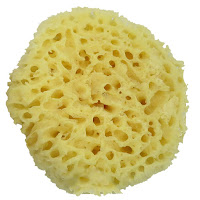
This is another very short scene, of less than thirty lines; the shortest in the entire play, in fact. Hamlet describes the body of Polonius as 'Safely stowed' in the opening line. It's an odd description: indicating something neatly stored or packed away - perhaps concealed - but with the suggestion of later use. Hamlet's speech is disordered and irrational. He speaks in non-sequiturs and riddles when Rosencrantz and Guildenstern arrive, emphasising his distrust of former friends in his depiction of them as foolish: mere sponges who 'soak up the king's countenance' but will get their just desserts when they are squeezed out 'dry' in the end. Gone is the iambic pentameter that has mostly shaped Hamlet's speech previously,  but there is an interesting use of double syntax or syntactic slide   at the end of the scene.  (This is where meaning is created in one line and then recreated differently in the next - one of my favourite th...